Home Blog Page 20

Statement by Public Defenders Coalition for Immigrant Justice on Introduction of New Legislation – Urging Federal Government to Stop Criminalizing Immigrants

DATE: March 15, 2021

MEDIA CONTACT: San Francisco Public Defender’s Office – PUBDEF-MediaRelations@sfgov.org – (628)249-7946

Statement by the Public Defenders Coalition for Immigrant Justice on the Introduction of the U.S. Citizenship Act, the American Dream and Promise Act, and the Farm Workforce Modernization Act

Public Defenders Urge Federal Government to Stop Criminalizing Immigrants

SAN FRANCISCO – On March 12, 2021, the Public Defenders Coalition for Immigrant Justice, a nationwide coalition of public defender offices, released the following statement in response to the introduction of the U.S. Citizenship Act, the American Dream and Promise Act, and the Farm Workforce Modernization Act by the United States Congress:

“Our Coalition shares in the excitement of introducing legislation that will finally provide needed relief to millions of immigrants throughout the country. However, we express grave concerns with legislation that strips due process rights for people who have experienced police contact. Any provisions that categorically exclude a person from legalizing their status due to a past criminal conviction or police contact will doubly punish communities surviving cycles of family separation caused by incarceration and deportation.

As public defenders who represent noncitizens in criminal and immigration proceedings, we recognize the pernicious connection between the criminal and civil immigration legal systems that has developed in the past 25 years. Every day our offices fight against the devastating impact of criminal and immigration laws that disproportionately punish noncitizens. We witness how the criminal legal system, especially the “War on Drugs”, “‘broken windows”’ and “‘stop and frisk”’ policing, have long targeted Black people and other communities of color. These are the same communities which are the most susceptible to immigration enforcement and deportation. In fact, our immigration system relies on state and local criminal legal systems to find noncitizens, detain them, and subject them to the civil deportation process.

Criminalization and punishment are already integral to the Immigration and Nationality Act due to the 1996 reforms. The existing criminalization bars in the Immigration and Nationality Act are extensive and can only be characterized as draconian and highly punitive. They are prime examples of the failed “tough on crime” policies that have long resulted in poverty, incarceration and traumatized generations of immigrants and their families. As a coalition, we are disappointed to see that the recent immigration reform bills have not addressed these issues. While we strongly support the urgent need to create pathways to legal status and citizenship for noncitizens, these bills further a dangerous divide in our nation’s immigration policy between those the government deems “deserving” and those it does not. We urge Congress to repeal the broad and punitive criminal grounds of inadmissibility and deportability, end the arrest to deportation pipeline, end mandatory detention, and ensure the right to counsel for all immigrants facing deportation.

Not only has Congress failed to address the Immigration and Nationality Act’s extensive and punitive bars, but we are dismayed to see that these bills would expand the categories of ineligibility by creating additional criminalization bars to legal status and citizenship, thereby even

more broadly excluding Black and Latinx communities. For example, each bill would make people who have been convicted of either two or three misdemeanors ineligible for legal status. These disqualifiers would remain in effect for life, so a 30-year-old conviction would have the same impact as a recent one. This type of perpetual punishment subjects Black and Latinx immigrants to live in fear and instability for no justifiable reason. Additionally, provisions in the American Dream and Promise Act include a second layer of review through which applications could be denied under the guise of “public safety.” Public safety has long been used as a pretext for criminalizing immigrants and should not be a determination made by a civil immigration agency.

We have an opportunity to lift up immigrant communities by building pathways to legal status and citizenship. Now is the time to stop criminalizing immigrants and to instead build stable, prosperous and vibrant communities for immigrants, their families, and for all of us. It is time for immigrants to stop having to live under the constant fear of incarceration, separation, and deportation. We must break from the unjust and outdated practice of granting immigration relief for some in exchange for harsher punishments and criminalization of others. Excluding those with police contact ignores that systemic racism in the criminal legal system inequitably triggered those contacts, resulting in the unjust convictions that are then used to vilify and deport immigrants of color.

In furtherance of separating the criminal legal and immigration systems, we support amendments like those being proposed by Congressmembers Jesús ‘Chuy’ García, Ayanna Pressley, and Pramila Jayapal, which would defang some of the criminalization bars. We urge Congress to commit to the creation of new policies that do not disproportionately punish immigrants of color who have been subject to over-policing in their communities, but instead includes them in the opportunities for lawful status and citizenship.”

###

BACKGROUND

The Public Defenders Coalition for Immigrant Justice is a coalition of public defender organizations that represent noncitizens in criminal and immigration proceedings. This Coalition seeks to harness both the collective power and perspective of public defenders and to center our clients and their families to illustrate the injustices noncitizens face in both the criminal and immigration legal systems.

The Public Defenders Coalition for Immigration Justice consists of public defender offices across the country, including Alabama, Arizona, California, Florida, Georgia, Illinois, Louisiana, Maryland, Massachusetts, New York, Nebraska, Oregon, Tennessee, and Texas.
Statement from Public Defender Mano Raju Opposing the Call for More Prosecutors to Address the Fentanyl Health Crisis

0

DATE: March 2, 2021

CONTACT: SF Public Defender’s Office, Valerie.Ibarra@sfgov.org; (628)249-7946

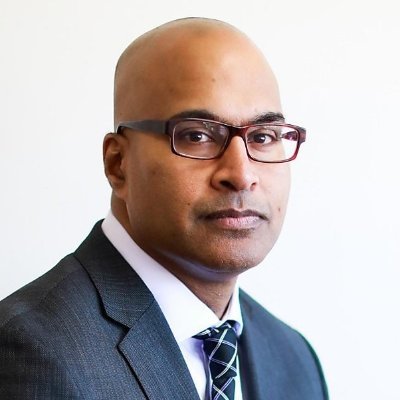
Statement from Public Defender Mano Raju Opposing the Call for More Prosecutors to Address the Fentanyl Health Crisis

“At a time when our communities are fighting for their very survival in the midst of the worst economic and public health crisis of this century, the proposal from Supervisor Haney and District Attorney Boudin for San Francisco to spend $2.3 million for more prosecutors to staff a fentanyl task force will do little, if anything, to address the needs of the community, but in fact will exacerbate the current public health crisis.

More policing and surveillance of our community is not a solution to the opioid crisis in our country, and more drug prosecutions do not result in a reduction in drug supply and demand, an increase in drug prices, nor prevention of drug use. The proposal to fund more prosecutions is an affront to the millions of families who have been torn apart by the ongoing war on drugs responsible for producing the largest carceral state in the world.

As public defenders, we represent people who routinely wait weeks or months to gain access to detox beds, substance abuse clinics, and mental health treatment programs in one of the wealthiest cities in the world. We need to shrink the market for drugs – through treatment, overdose prevention, housing, and economic relief.  Public health and safety cannot come from arresting, incarcerating, and caging our community members.

At a time when the movement has powerfully and persuasively called for reallocating resources away from law enforcement and into communities in need, we firmly stand against this proposal to expand the carceral state. Based on SFPD’s historic and ongoing enforcement techniques, street level drug sales will continue to represent the overwhelming majority of individuals arrested for drug sales and the Black and Brown working poor of this City will continue to be the focal point of these prosecutions. 

We do not need another task force linked with a proposal for expanding prosecutions to address our most urgent public health and safety needs. We need housing, food, treatment, and healthcare for all people, to build a sustainable and better future for our communities. We call on the Board of Supervisors to reject this proposal and to join the Mayor in diverting City funds to pay for harm reduction, safe injection sites, and direct aid that is not tied to an expansion of the carceral state.”  

###

SF Public Defender Client Deemed Not Guilty; Jury is Hung 10-2 due to Evidence of a False Accusation

FOR IMMEDIATE RELEASE: February 26, 2021

MEDIA CONTACT: SF Public Defender’s Office – pubdef-mediarelations@sfgov.org – (628)249-7946

**PRESS RELEASE**

SF Public Defender Client Deemed Not Guilty; Jury is Hung 10-2 due to Evidence of a False Accusation

SAN FRANCISCO – On February 24, 2021, a San Francisco jury returned a split decision weighing heavily in favor of “not guilty” in a case alleging rape where physical and circumstantial evidence pointed to a false accusation.

Deputy Public Defender Kwixuan Maloof, who represented the accused man, raised concerns through extensive witness testimony and physical evidence that the prosecution’s case was compromised by inconsistencies.

“These are very difficult cases and we appreciate that the jury largely understood that there were serious credibility issues with this accusation. The prosecution and our defense team presented extensive evidence during the trial which lasted over a month, and ten of the twelve jurors voted not guilty,” said Maloof. “This indicates to us that nothing would substantially change in a re-trial and we urge the District Attorney’s office to dismiss these charges to let our client get back to his life and family.”

Due to the pandemic, there is a large backlog of trials waiting to take place in San Francisco Superior Court.

“It was a robust trial, and I am proud of Mr. Maloof and the entire defense team for presenting clear and convincing evidence that pointed to our client’s innocence. There are many other serious cases waiting for a chance to be heard in court, and it is our collective responsibility to keep moving justice forward,” said San Francisco Public Defender Mano Raju.

###

Mano Raju on KPFA Flashpoints – Adachi Project Documentary “One Eleven Taylor”

0

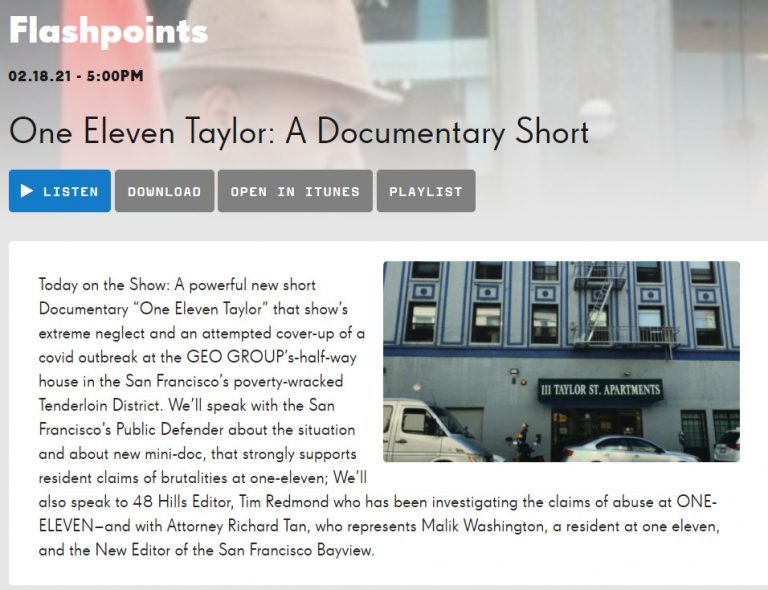
On February 16th, the Adachi Project launched DEFENDER-Vol.00, a digital art+media platform that includes the documentary short called “One Eleven Taylor (During a Pandemic) — an intense 11-minute view of life inside the halfway house at 111 Taylor Street in San Francisco, which is operated by the private prison corporation GEO Group. The films shows the experiences of residents – who have been placed at the reentry center after being paroled – and the fear and conditions as the virus began to spread through the center in the Spring of 2020.

In January 2021, a current resident of 111 Taylor – Keith “Malik” Washington, the Editor of the SF Bay View National Black Newspaper – exposed a new outbreak of COVID in the center and spoke to journalist Tim Redmond of 48 Hills. Mr. Washington has since filed at lawsuit against the Federal Bureau of Prisons and GEO Group for the retaliation he has suffered since talking to the press about COVID at the center.

On February 18, 2021, Public Defender Mano Raju spoke on KPFA’s Flashpoints, hosted by Dennis Bernstein. Other guests included Tim Redmond and Richard Tan, Mr. Washington’s attorney.

Ninth Circuit Affirms Likely Constitutional Violation in Detention of Immigrants During Pandemic

DATE: February 18, 2021

MEDIA CONTACTS:

SF Public Defender’s Office, 628.249-7946, Valerie.Ibarra@sfgov.org

ACLU SoCal Communications & Media Advocacy: communications@aclusocal.org, 626-755-4129

Lawyers’ Committee for Civil Rights of the San Francisco Bay Area, Sam Lew, slew@lccrsf.org, 415-272-8022

Ninth Circuit Affirms Likely Constitutional Violation in Detention of Immigrants During Pandemic

Rules ICE Neglected Immigrants; Upholds Order Establishing Process for Considering Release During Pandemic

SAN FRANCISCO – In a key victory for immigrants who won their release from two U.S. Immigration and Customs Enforcement (ICE) facilities in California during the COVID-19 pandemic, the U.S. Court of Appeals for the Ninth Circuit today affirmed a lower court’s finding that the immigrants were likely to succeed in their claim that conditions at the facilities during the pandemic were unconstitutional and did not allow adequate social distancing.

The appeals court rejected ICE’s argument that the lower court lacked the power to release people from custody in the face of unconstitutional conditions at the facilities. The court also said the danger from COVID-19 was “sufficiently imminent” given ICE’s failure to take adequate measures in response to the pandemic. 

The class action case, Zepeda Rivas v Jennings, was filed in April by the San Francisco Public Defender’s Office, the American Civil Liberties Union Foundations of Northern California and Southern California, the Lawyers’ Committee for Civil Rights of the San Francisco Bay Area, and the law firms of Lakin & Wille LLP and Cooley LLP.

Bree Bernwanger, senior staff attorney at the Lawyers’ Committee for Civil Rights of the San Francisco Bay Area, who argued the appeal, said: “Today’s decision affirms that ICE cannot detain people in constitutionally unsafe conditions during the pandemic. The experiences of hundreds of people released through this case show their detention was inhumane and unnecessary.”

Myke Jonathan Cux Jocop was released from custody in Mesa Verde as the result of the lawsuit. “I was in ICE detention when my baby was born,” she said. “It is only because of this case that I have been able to come home to my partner and my newborn baby. No one should be in those horrible conditions during the pandemic.”

The Ninth Circuit court referred the appeal to a mediation program to explore a possible resolution.

Today’s decision coincides with guidance issued by ICE Acting Director Tae Johnson instructing ICE offices nationwide to comply with enforcement priorities substantially limiting enforcement actions—including the use of detention.

Read the Ninth Circuit decision here:

###

Adachi Project Releases “One Eleven Taylor”, a Documentary Short Depicting Dangerous Conditions at a GEO Group-run For-Profit Halfway House in San Francisco

Date: February 16, 2021 / Media Contact: Valerie Ibarra, SF Public Defender’s Office (628)249-7946 Valerie.Ibarra@sfgov.org

Adachi Project Releases “One Eleven Taylor”, a Documentary Short Depicting Dangerous Conditions at a GEO Group-run For-Profit Halfway House in San Francisco

San Francisco (CA) — Today, the Adachi Project released its first film, One Eleven Taylor (During a Pandemic), a powerful documentary short about the re-entry center at 111 Taylor Street run by GEO Group in San Francisco’s Tenderloin District . The film reveals how this for-profit company –which has a legacy of prioritizing profits over the people — is engaged in a dangerous pattern of neglect which is exposing residents to COVID-19. 

The San Francisco Public Defender’s Office began documenting conditions at 111 Taylor in May 2020, after a resident notified his attorney about risks to personal safety due to lack of COVID-19 protocols. In response, the Office worked to help relocate their clients who were housed in the Center, where possible. The reporting resident also began to record interviews and capture videos of the crisis and the residents’ deepening fear, not only of COVID-19 spreading throughout the facility, but also of the potential retaliation for speaking out. The result is a tense 11-minute immersive documentary seen and experienced through the eyes of residents who are forced to live at 111 Taylor and risk violating parole and being sent back to prison to protect themselves from the virus.

“The conditions at 111 Taylor are extremely troubling, and this film is just a glimpse into what is a larger, ongoing pattern of abusive practices and crises created by private prison corporations like GEO Group,” said San Francisco Public Defender Mano Raju. “It also affirms the recent complaint by Mr. Keith “Malik” Washington about conditions at 111 Taylor and emphasizes our longstanding position that state and federal governments need to stop awarding lucrative contracts to private prison corporations, as time and time again we witness how they fail to protect the safety and wellbeing of the people in their custody and in the community. We have fought to release our clients from this location, but that is only a temporary and partial remedy to a larger solution–which is to put an end to for-profit prisons and reentry centers altogether and invest in community-based programs that understand and prioritize the needs of the people and communities they serve,” said Raju.

Watch One Eleven Taylor (During a Pandemic) here.

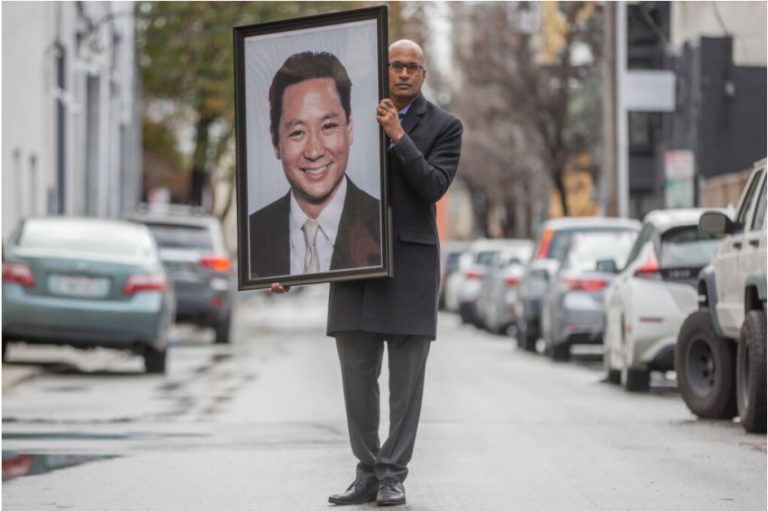
One Eleven Taylor (During a pandemic) is the first installment of DEFENDER – Vol. 00a new film, art, and media project revealing the inequities of the U.S. criminal legal system — and produced by The Adachi Project, the seminal media and justice initiative of the San Francisco Public Defender’s Office, Even/Odd, and Compound. The Adachi Project launched on February 4, 2021, and was created in memory of late-San Francisco Public Defender Jeff Adachi to bring to light unseen perspectives of the criminal legal system. The goal of The Adachi Project is to “reveal truth and demand justice,” with the belief that powerful storytelling and elevating all voices can humanize people who have been directly impacted and dehumanized by the carceral system.

###

San Francisco Public Defender
SFPublicDefender.org


For 100 years, the San Francisco Public Defender’s Office has provided effective and zealous legal representation to people who are charged with a crime and unable to afford an attorney. Led by elected Public Defender Mano Raju, the office provides legal representation to over 25,000 indigent people charged with crimes each year, while also fighting for systemic change outside of the courtroom. The Adachi Project coordinating team for the office is made up of Deputy Public Defender Hadi Razzaq, SF Policy Director Carolyn Goossen, and Public Information Officer Valerie Ibarra.

The Adachi Project
adachiproject.com

The Adachi Project is a vital first-of-its-kind media program of the Office of the San Francisco Public Defender developed in partnership with Compound, and award-winning San Francisco based cultural creative studio and production company, Even/Odd. Its goal is to illuminate timely stories of the US criminal legal system through seminal documentary film, videos and photojournalism that inform our understanding of the human impact of “justice” on our communities, and influence our vision for an equal and just society.

Santhosh Daniel, Compound
Founding Partner, The Adachi Project
santhosh.daniel@gmail.com

Mohammad Gorjestani, EVEN/ODD
Founding Partner, The Adachi Project
mo@evenoddfilms.com


Malcolm Pullinger, EVEN/ODD
Founding Partner, The Adachi Project
malcolm@evenoddfilms.com

Tragedy as Teacher – Curing Injustice Through Accountability Tracing

Tragedy as Teacher – Curing Injustice Through Accountability Tracing

By Danielle Harris, Managing Attorney of the Integrity Unit at the San Francisco Public Defender’s Office.

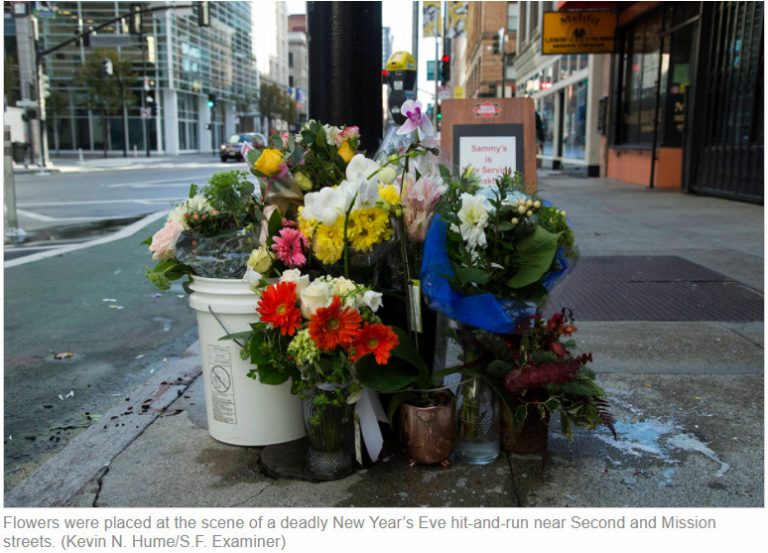
An Op Ed, as it appeared in the San Francisco Examiner on February 14, 2021. Photo by Kevin N. Hume/SF Examiner.

When tragedy strikes, we are scared and angry and we want answers and action. And in the U.S., we traditionally want a “fall guy,” someone to blame, to fire, to demote, to lock up, to vote out. Having blamed someone, anyone, we may feel as if we have addressed the problem and we go back to our daily lives with a false sense of security. And then, when tragedy strikes again, we repeat the cycle, wondering in passing how this could have happened again. We vacillate to and fro, from left to right and back again, finding fall guys, but keeping the real culprits — the deficient structures — intact.

What if instead, in response to tragedy, like the New Year’s Eve deaths of Elizabeth Platt and Hanako Abe, we tried to trace the missed opportunities that brought us there? What if, like contact tracing designed to catch early virus cases and minimize bad outcomes and further exposures, accountability tracing were a required project in these instances, “accountability tracer” a job title? What if the goal were not to determine who was to blame, but to identify structural deficiencies to prevent future horrors?

If we truly want change, a vaccine instead of a mask, we must shift to this broader sense of accountability and commit to repairing harm and ending cycles of violence.

Accountability tracing must begin at the beginning. When we are talking about systemically-oppressed people — as for the majority Black families ensnared in the penal system — historical context is essential.

Next, we will usually need to start with the biological parents of the subject, no matter how brief their union or how big their role in raising the child. What traumas did they bring to pregnancy and parenting? What support did they have in expecting and having a child? If there was lacking support, where was it? Is that deficiency still true today or has it been fixed?

We would then look at the childhood. If we see a mother working two jobs to support her kids and a father addicted to crack cocaine, we must ask if the child had proper nutrition and supervision, sufficient love and attention. If there were early signs of struggle at school, we must examine the response, including how discipline was handled. If our public institutions knew or had reason to know the child was suffering, we need to see how they handled it, analyzing supports and gaps in our public health system, our school district, our child protective system, and existing community-based organizations.

Where an addicted parent or caregiver is involved, we must ask if they were known to police or the court system and we must look to the supports given to them, the children, and the family as a whole. When a parent is incarcerated, that response reverberates and existing supports for the co-parent and children are little to none. The parent’s incarceration makes it six times more likely that his child will later face his own incarceration. The parent’s addiction makes it more likely the child will suffer from depression, abuse, and his own addiction. These facts have been known for decades and still we have little meaningful cycle interruption in place.

If our subject himself fell victim to addiction disease as a young teenager, we must trace his history at that time. Did his high school teachers or administrators know? Should they have? Did the police know? Did juvenile probation or the juvenile courts know? What supports were offered? Were they offered in a punitive matter, making them unattractive and to be avoided or were they offered with love and without strings? Were appealing options created as an alternative to the positive reinforcement the self-destructive teen was receiving from negative influences?

Or, was he sent to prison as an older teenager, a “man” in the eyes of the law and nowhere else. Was the loss of freedom the punishment or were grueling conditions, violence, subjugation, and shame layered on top? Were education and programming opportunities available? What was his mental health status? Was it addressed? What did we expect of him when he was released that first time? What supports did we offer to help him succeed?

When that round failed and our subject cycled back into jail the next time, still addicted, with worse mental health than before, did we do it differently this time? How about the time after that?

The answers may be grim. For so long, our court system has elevated punishment over addressing the roots of harm and treating known diseases with known treatments. And our brand of punishment is so harsh, it guarantees those punished will emerge worse than where they started, with no ongoing support to boot. We repeat the same failed approach again and again, expecting a different result each time. A collective insanity if there ever was one.

If we want to cure a disease, we have to inoculate against it, diagnose it, and treat it. Had we done as much for Troy McAlister, who tragically caused the deaths of Ms. Abe and Ms. Platt, two families would not be grieving today.

Danielle Harris has lived in San Francisco since 1996 and is raising two daughters. She works as a managing attorney at the San Francisco Public Defender’s office.

The Adachi Project to honor late S.F. public defender with creative initiative

The Adachi Project to honor late S.F. public defender with creative initiative

On February 4, 2021, the San Francisco Public Defender’s Office launched a unique storytelling partnership with Compound and Even/Odd to honor the legacy of the late Public Defender and award-winning filmmaker Jeff Adachi. This creative initiative illuminates powerful stories and unseen perspectives of the U.S. criminal legal system via compelling documentary film, video, and photojournalism. Its creative goal is to use the lens of public defenders and the communities we represent, as well others impacted by the criminal legal system, to elevate the voices of all people, and produce media that “expands understanding of the human impact of ‘justice’ on our communities, and influences our vision for an equal and just society.”

Visit https://adachiproject.com to learn more.

Sam Whiting of the San Francisco Chronicle announced the launch of The Adachi Project online in the Datebook and in print on the cover of the Bay Area Section. [Photo credit: Santiago Mejia]

“No one is better suited than we are to get out the view of the system from the vantage point of our clients and the people who represent them,” says Raju …the only public defender in any county in California who is elected, not appointed.

“This is not just following attorneys around in their day to day and into court,” says Valerie Ibarra, who is part of the office team. “These films are evocative and bring people into the experiences of our clients.”

https://vimeo.com/wearedefender
‘DEFENDER – VOL 00’ – the inaugural work of The Adachi Project – will be released in February 2021.

SF Public Defender Launches ‘The Adachi Project’

Date: February 4, 2021 / Media Contact: Valerie Ibarra (628)249-7946 Valerie.Ibarra@sfgov.org

SF Public Defender Launches ‘The Adachi Project’

First-of-Its-Kind Media Initiative Spotlights Public Defenders and Underrepresented Perspectives of the
Criminal Legal System in Tribute to Late-Public Defender and Filmmaker Jeff Adachi

SAN FRANCISCO – Today, the San Francisco Public Defender’s Office launched “The Adachi Project”, a first-of-its-kind storytelling initiative that illuminates powerful stories and unseen perspectives of the U.S. criminal legal system via compelling documentary film, video, and photojournalism.

“We are incredibly excited to announce The Adachi Project, which honors and advances the work of my predecessor and friend, Jeff Adachi, and opens a rare window into our legal system and the individuals and communities who are deeply affected by it. It is our job as public defenders to illustrate the humanity of our clients and to advance much-needed criminal legal system reforms — and I believe that this storytelling project will help us do that,” says Mano Raju, San Francisco Public Defender.

The Project is inspired by late San Francisco Public Defender and filmmaker, Jeff Adachi (1959-2019), and created with SF-based founding partners, Compound, led by Santhosh Daniel, and the award-winning cultural and creative studio, Even/Odd, led by Mohammad Gorjestani and Malcolm Pullinger. Its creative goal is to use the lens of public defenders and the communities they represent, as well others impacted by the criminal legal system, to elevate the voices of all people, and produce media that “expands understanding of the human impact of ‘justice’ on our communities, and influences our vision for an equal and just society.”

“Jeff Adachi was a visionary attorney who transformed the San Francisco Public Defender’s Office into a national model for legal defense. Impressively, he somehow also found the time to make films to educate the public and elevate the voices of those who have become entangled by the justice system,” said Supervisor Matt Haney, who authored a San Francisco Board of Supervisors Resolution to support the creation of The Adachi Project. “I am proud to support this unique project that will shine a light into the dark corners of a system deeply in need of reform and humanity.”

The Adachi Project is a first-of-its-kind media initiative to be produced by a U.S. public defender office, as well as one of the first projects of its kind to be approved by the San Francisco Board of Supervisors (on 12/05/20), and produced via the office of an elected official, Mano Raju, San Francisco Public Defender. It also carries the distinction of being one of a handful of initiatives that remember the life and work of a San Francisco public official through a commemorative legacy project that represents the work, and community, of the office in which they served.

“Jeff often compared making a film to preparing for trial and at the time of his passing, he had a vision to merge those two things into a series about public defenders. As friends and colleagues, we couldn’t give up on that idea, but we also saw an opportunity to expand on it and do something no other public defender’s office, or City, had ever done,” says Santhosh Daniel, of Compound and founding partner of the Adachi Project.

The genesis of the Adachi Project was in early-2019, shortly after Jeff Adachi’s untimely passing, through conversations between Mano Raju, Public Defender, other key members of the Office and founding partner, Santhosh Daniel. Daniel served with Adachi on the Board of California Humanities — the state’s representative arm of the National Endowment for the Humanities — and proposed a commemorative fund to support independent artists and filmmakers creating criminal justice media, similar to the type of films directed and produced by Adachi. This idea then evolved into a bolder, more community-centered proposal to use local talent (in support the City’s creative economy) to produce media in direct collaboration with the Public Defender’s Office, resulting in the unprecedented creative partnership with Compound (Daniel) and Even/Odd (Gorjestani and Pullinger) — the former leading the Project’s communications and impact-strategy, and the latter leading creative direction and production of media.

“The artistic potential of The Adachi Project is only surpassed by its potential to remedy the plagues of injustice in our broken system through the power of storytelling. Public Defenders are cultural superheroes that not only defend, but honor, the communities they serve. As citizens of San Francisco, first and foremost, this project is also our civic duty. While this partnership is specific to Frisco, the themes we will be exploring transcend local issues and speak to the zeitgeist of socioeconomic and racial reckoning in America. We are excited to get to work and reveal the incredible, intrepid work of the San Francisco Public Defender,” says Mohammad Gorjestani, of Even/Odd and founding partner of the Adachi Project.

The inaugural works of the Adachi Project, produced by Even/Odd with the SF Public Defender’s Office and Compound, include films that spotlight “reentry,” as seen through the eyes of residents in one of the state’s many halfway houses and reentry programs, and an individual’s first few hours of “freedom,” after just being resentenced and released. Also included is an exploration of how the COVID health-crisis is being addressed in county jails, and a photo-essay on police violence and community consciousness, as framed by the life and death of Mario Woods. All inaugural works will be presented under the creative identity of DEFENDER – VOL 00 — a digital publication with official release in February 2021 — and future works will be released by the Project on a rolling basis, as a progressive tribute to the life of Jeff Adachi.


“My husband was dedicated to challenging injustice inside and outside the courtroom. He loved his clients, and his incredible ability to tell their stories – both in court and through his films – were among his proudest achievements. He would be so pleased to know that the Public Defender’s Office that he transformed over the past three decades is carrying on his legacy of exposing injustice through the arts,” says Mutsuko Adachi, wife of Jeff Adachi.

###

ABOUT THE ADACHI PROJECT PARTNERS:

San Francisco Public Defender’s Office
SFPublicDefender.org

For 100 years, the San Francisco Public Defender’s Office has provided effective and zealous legal representation to people who are charged with a crime and unable to afford an attorney. Led by elected Public Defender Mano Raju, the office provides legal representation to over 25,000 indigent people charged with crimes each year, while also fighting for systemic change outside of the courtroom. The Adachi Project coordinating team for the office is made up of Deputy Public Defender Hadi Razzaq, SF Policy Director Carolyn Goossen, and Public Information Officer Valerie Ibarra.

Compound | Communications and Impact Strategy
www.compoundcreate.com
Compound is a San Francisco- and Seattle-based creative strategies studio whose role is to manage and direct the Project’s communications and impact strategy. Led by Santhosh Daniel, the studio’s current and past partners include Bill & Melinda Gates Foundation, Virgin America, Medium, U.S. Department of State, Smithsonian, Oakland Museum of California and Umpqua Bank; and productions such as the Open Account podcast and film Liquid Flow. Daniel also brings experience as former head of The Global Film Initiative; advisor to media funds such as the California Documentary Project and California Arts Council Public Media Grants; board member of California Humanities and Found Sound Nation; and advisor to the Quentin Cooks professional program at San Quentin State Prison to his role with the Adachi Project.

Even/Odd | Creative Direction and Production
www.evenoddfilms.com
Even/Odd is an award-winning San Francisco- and Los Angeles-based creative studio, research team, and production company whose role is to lead the Project’s creative direction and production of content. Led by Mohammad Gorjestani and Malcolm Pullinger, the studio has earned a Cannes Lion, The Tribeca X Award, 4 Webby Awards, The Grand Jury Prize at SXSW, Clio Awards, and has been featured by outlets including The Guardian, New York Times, The Atlantic, VICE, The New Yorker, and more. They are a proud, minority-owned studio with industry-leading inclusivity practices providing a platform for diverse and urgent voices, and Gorjestani and Pullinger bring over 20 years of collective creative multi-disciplinary experience to their role with the Adachi Project.

The first body of work created by the Adachi Project – DEFENDER-Vol.00 – to be released in February 2021.
https://vimeo.com/wearedefender

‘They Didn’t Listen to Us’: ICE Detainee Who Waged Hunger Strikes for COVID-19 Protections Gets Virus

0

‘They Didn’t Listen to Us’: ICE Detainee Who Waged Hunger Strikes for COVID-19 Protections Gets Virus

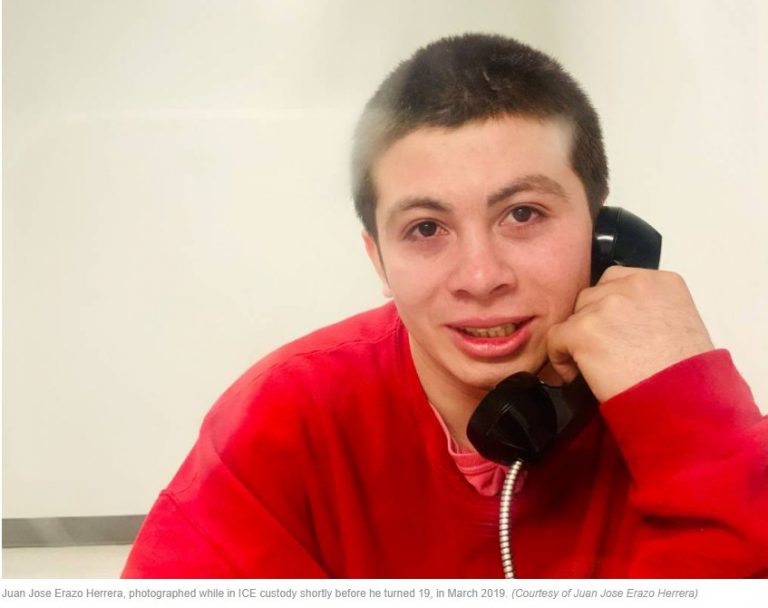
Our 20-year-old client, Juan Jose Erazo Romero, who fled violence in El Salvador as a teenager and is being held by ICE at the Yuba County Jail Immigration Detention facility, has gone on multiple hunger strikes to protest the unsafe conditions. Despite federal court orders for regular cleaning of the facility, ICE has consistently failed to follow those basic requirements. Now, Juan Jose along with 50% of those detained there, have contracted the coronavirus. The guards moved him to a filthy, windowless cell for 12 days while he suffered multiple symptoms. He and Deputy Public Defender Kelly Wells, of our Immigration Defense Unit, spoke with KQED‘s Farida Jhabvala Romero.

“That cell is not for a human being, it’s like for keeping a dangerous animal locked up. There’s no TV, there’s nothing,” said Erazo Herrera. “You start feeling so depressed that you think about killing yourself. You wonder what you’ve done to deserve to be treated this way.”

“We’ve heard consistently from every single detainee who has been moved since the order that they have arrived to filthy cells that clearly hadn’t even been cleaned, much less disinfected,” [deputy public defender kelly wells] said.