Home Blog Page 13

SF Examiner Reports on the “Legal Logjam” in SF Courts Keeping Hundreds in Jail Past Trial Deadlines

SF Examiner Reports on the “Legal Logjam” in SF Courts Keeping Hundreds in Jail Past Trial Deadlines

“If we’re going to prioritize anything as The City reopens, the most important thing to prioritize, according to our Constitution, should be people’s right to liberty,” [raju] said.

The San Francisco Public Defender’s Office has been raising the alarm on pandemic-induced trial delays that have impacted hundreds of accused people who are waiting to go to trial, many of them months past their legal deadline for trial, and stuck in jail under 23-hour lockdown unable to visit family members in person and feeling increased pressure to take plea deals just to get out. These are people like our client Mr. Welch who spent a year in jail, eight months past his trial deadline, yet was finally acquitted by a jury in under an hour. Veteran San Francisco reporter Al Saracevic, now at the SF Examiner, interviewed Public Defender Mano Raju about the efforts he and the office continue to make to get the SF Superior Court to utilize more courtrooms and get creative to address this constitutional and humanitarian crisis in San Francisco courts and jails. The story ran on the front page of the Sunday Examiner on May 8, 2022.

“I don’t know what the sticking point is,” said Raju. “We should have every single Civic Center courtroom in every possible San Francisco courtroom. And if we need to use other buildings in The City, let’s do that. We’ll try cases anywhere. High school gyms. Moscone Center. Wherever it needs to be. Just give us a space.”

Public Defenders Remember Peter G. Keane, Former Chief Attorney for the San Francisco Public Defender’s Office

FOR IMMEDIATE RELEASE: April 20, 2022

MEDIA CONTACT: SF Public Defender’s Office | Valerie.Ibarra@sfgov.org | (628) 249-7946

**PRESS STATEMENT**

Public Defenders Remember Peter G. Keane, Former Chief Assistant Public Defender for the San Francisco Public Defender’s Office

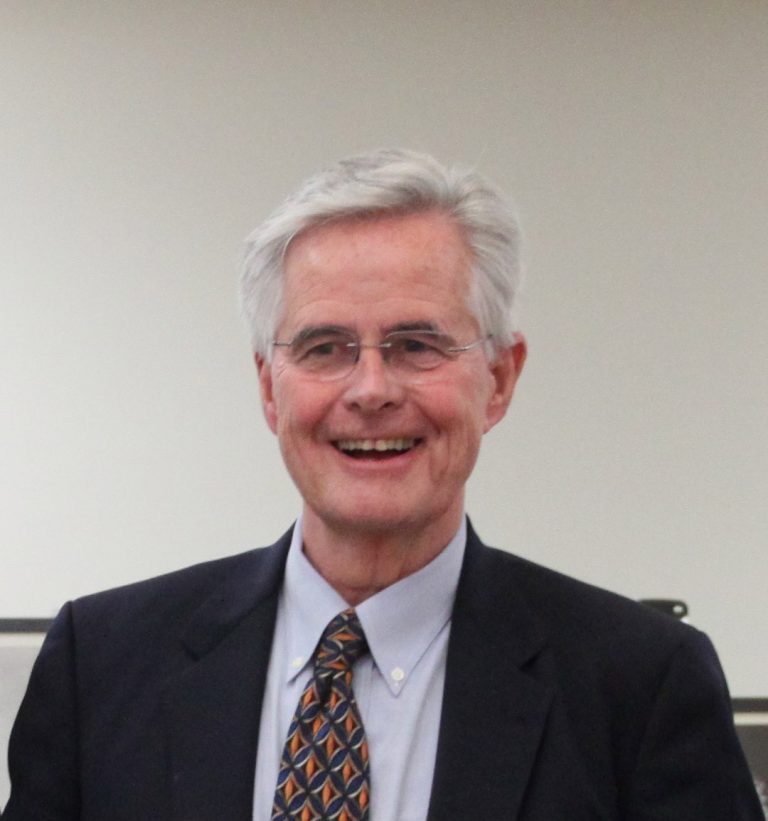
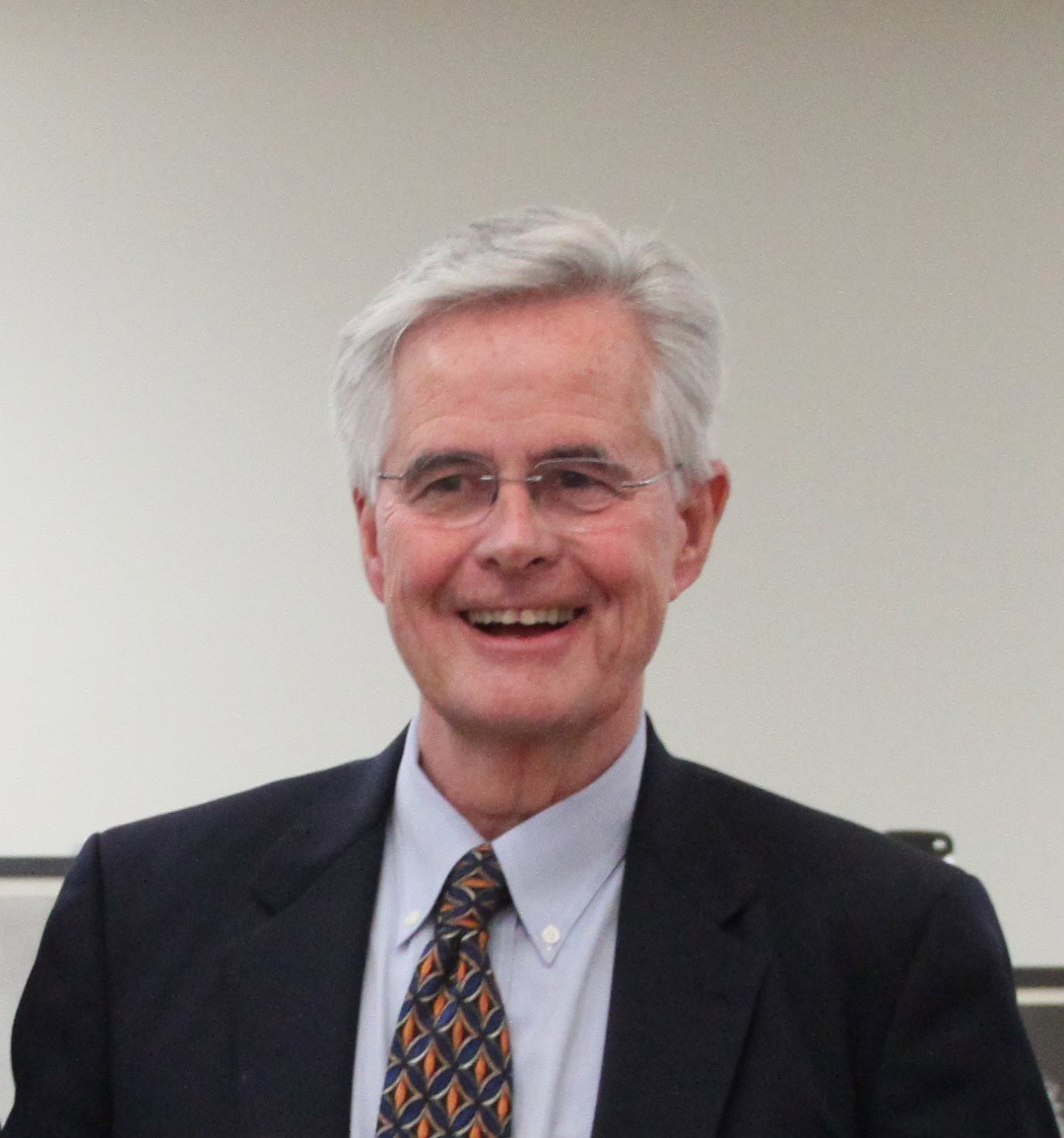
Our sincere condolences go out to the family of Peter G. Keane, a well-loved and deeply respected former Chief Assistant Public Defender of the San Francisco Public Defender’s Office from 1979-1998, and Dean Emeritus at Golden Gate University School of Law.  

Upon his passing, staff at the San Francisco Public Defender’s Office shared an outpouring of affection for Keane’s impact on our office and the people we represent.

“Peter Keane was an exceptional person and lawyer, and his loss will be mourned by a generation of public defenders whom he led by example during his nineteen year tenure as Chief Attorney. He was unrelenting in his belief in the right to counsel and a commitment that every person charged with a crime deserved to have at least one person stand up for them regardless of what they had done or were accused of doing. With Peter’s death, the San Francisco Public Defender’s Office has lost one of its greatest lawyers,” said Matt Gonzalez, Chief Attorney of the San Francisco Public Defender’s Office. 

Keane’s leadership was firm, but forgiving. He served our clients, their families, and our community with a passion for justice and reform. He defended clients with great tenacity, including in death penalty cases. He helped scores of attorneys and non-attorneys at the Public Defender’s Office to develop their careers as bold and skilled defenders. He is remembered as a remarkable leader who was fearless in the courtroom, and who stood up for his colleagues as much as he did for his clients. 

After leaving the Public Defender’s Office, he became the Dean and Professor of Law at Golden Gate University, imbuing into the next generation of legal professionals the wisdom and knowledge of criminal law that he’d gained during his long and successful career as a trial attorney. 

Keane’s impact extended beyond the office, the courtroom, and the classroom. He contributed to local and statewide reforms to augment judicial discipline, gun control, and voter registration. He was the first Public Sector attorney to serve as President of the Bar Association of San Francisco, where he successfully persuaded local law firms to hire more women and minorities. He served as a member of the Board of Governors for the State Bar of California, a member of the San Francisco Police Commission, and a member of the San Francisco Ethics Commission. He also gained local acclaim as a legal commentator, which led to him hosting his own radio program called “Keane on the Law” which ran for three years on KPIX.

In an NPR radio essay called “Everyone Deserves Defense” in 2008, he concluded: “One person on your side, no matter what you’ve done, that’s what keeps us a free people.” 

Peter Keane will be missed by all who knew him, but his impact on the San Francisco Public Defender’s Office will not be forgotten. 

The San Francisco Board of Supervisors recently passed a resolution celebrating his immense contributions and declaring February 8, 2023, Peter Keane Day in the City and County of San Francisco. 

Peter G. Keane
February 8, 1943 – April 17, 2022

SF Jury Acquits Another Community Member Who Spent One Year in Jail Awaiting Trial

FOR IMMEDIATE RELEASE: April 20, 2022

MEDIA CONTACT: SF Public Defender’s Office |Valerie.Ibarra@sfgov.org | (628) 249-7946

**PRESS RELEASE**

SF Jury Acquits Another Community Member Who Spent One Year in Jail Awaiting Trial

Judge wouldn’t release person from jail before trial without a program in place, but no program was available

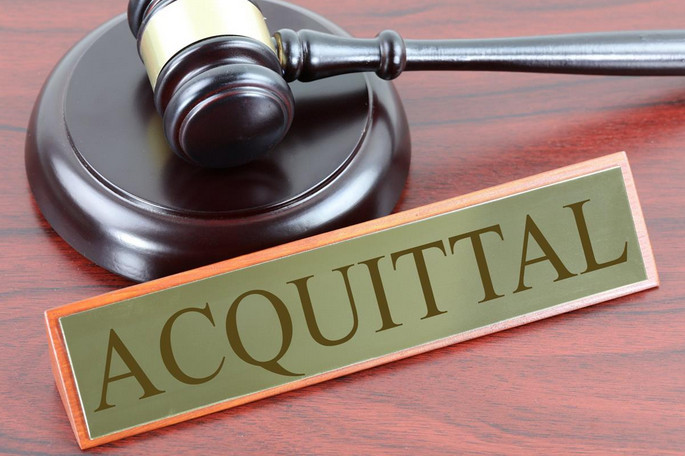
SAN FRANCISCO – Last week, the trial of Christopher Welch ended with an acquittal after Mr. Welch spent almost a year in jail, nearly eight months past his original trial deadline. Deputy Public Defender Cris Lamb highlighted evidence and testimony that contradicted the initial reports of the incident that led to these felony assault charges. The jury deliberated for less than an hour and returned a verdict of not guilty.

“We are grateful that the jury came to the right conclusion in this case, but it is truly shameful that Mr. Welch spent so much time in jail waiting for his trial on charges that could have been avoided if the police had thoroughly investigated the claims from the beginning,” said Ms. Lamb. “We were also caught in a vicious cycle of trying to get him released from jail to await his trial, but the judge wouldn’t release him without an appropriate program in place, which was never made available. Unfortunately, that resulted in a year of incarceration that greatly affected Mr. Welch’s physical and mental health.”

In April 2021, Mr. Welch was seeking a safe place to sleep on a public walkway when a security guard from a nearby building began rousting him out with insults and threats of pepper spray. Video showed that both men walked away from each other, and that Mr. Welch found a discarded walker on the sidewalk, which he picked up and threw in frustration. The walker accidentally hit the security guard who happened to stick his head out from behind a large pillar where he was standing fifteen feet away. The security guard called the police, but he told them that he could not share the building’s video surveillance, which could have helped exonerate Mr. Welch against the security guard’s misleading claims about what had transpired. During the trial, Ms. Lamb used the full footage of the incident obtained by the Public Defender Investigation Unit to impeach the security guard’s conflicting statements.

Ms. Lamb attempted to get Mr. Welch released from jail prior to his trial, but several obstacles stood in the way. Mr. Welch is registered for MediCal in Alameda County, making him ineligible for placement in a San Francisco program unless he were able to establish residency in San Francisco, which he could not do from jail. Attempts to find him placement in Alameda County also failed, and the judge would not agree to release him if a program was not in place. This left Mr. Welch stuck in jail without recourse. 

Upon Mr. Welch’s release from jail, the Public Defender’s Office Social Workers will attempt to help him replace his ID and get connected to services.

“Mr. Welch’s case is sadly emblematic of so many of our clients who are living in poverty and met with criminalization and incarceration, rather than support and compassion,” said San Francisco Public Defender Mano Raju. “Our defenders fought hard to help clear Mr. Welch’s name and restore his liberty. However, to address the systemic issues that led to his unjust arrest and incarceration, we need more resources and treatment for people in need, and more courtrooms for individuals who have been accused to have their cases heard.” 

At the beginning of 2022, there were nearly 250 people in San Francisco County Jail whose trial deadlines had passed. In February, Public Defender Raju filed a petition with the California Court of Appeal to address the growing criminal trial backlog in San Francisco Superior Court, where judges continue to violate people’s right to a speedy trial. 

The defense team advocating for Mr. Welch included Deputy Public Defenders Cris Lamb and Dustin Latka, Investigator Collin Olsen, and Paralegal Brendan Loftus.

##

The Guardian: Incarcerated people forced to wait for trials as San Francisco backlog balloons

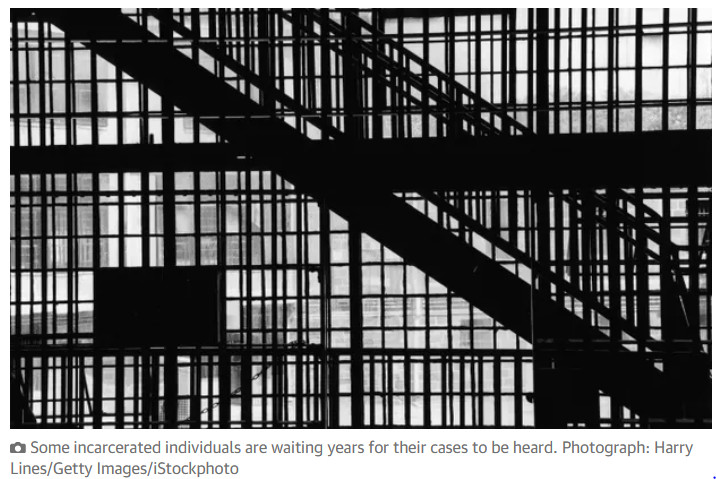
This piece in The Guardian highlights the continuing humanitarian crisis in San Francisco County jail. Nearly 900 people remain in isolation under 23-hour lockdown, and at least 25% of them are people whose trial deadlines have passed. We are litigating against the trampling of their speedy trial rights caused by ongoing court delays.

“These aren’t even people who have been convicted of a crime,” [public defender] Raju said. “They’re just awaiting their day in court.”

The Guardian interviewed some of our clients who finally got out of jail, months past their trial deadline, after being acquitted at trial.

“Being released is not as joyful as you might expect,” [public defender client] Brewer said. “You come out of this hole with very little human contact. You make it out, but you leave a big piece of yourself in jail.”

We first broke this story last year through our Adachi Project film “From Inside” — Hear the first person accounts of the fear and anxiety from SF County Jail.

The Adachi Project released this film in May 2021 as part of DEFENDER-Vol.00. All of our work can be seen on WeAreDefender.com.

Learn more about how we’re using the arts to reveal truth and demand justice at AdachiProject.com.

SF Jury Acquits Man Who Spent 331 Days in Jail, Nearly 8 Months Past his Legal Deadline for Trial

FOR IMMEDIATE RELEASE: March 30, 2022

CONTACT: SF Public Defender’s Office |Valerie.Ibarra@sfgov.org | (628)249-7946

**PRESS RELEASE**

SF Jury Acquits Man Who Spent 331 Days in Jail, Nearly 8 Months Past his Legal Deadline for Trial

SAN FRANCISCO – Yesterday, a San Francisco jury acquitted Isaac Tuialuuluu of a felony assault charge after finding that he was acting in self-defense during a family dispute in March 2021. Mr. Tuialuuluu spent a total of 331 days in SF County Jail, and a trial courtroom was not made available until February 2022, nearly 8 months past the original trial deadline. 

Deputy Public Defender Scott Grant, who led the defense team for Mr. Tuialuuluu, said, “We are relieved and grateful that the jury returned a verdict of not guilty, but we are also dismayed that it took this long for this case to go to trial while Mr. Tuialuuluu suffered the indecency of pandemic conditions in SF County Jail.”

The defense team included Deputy Public Defender Scott Grant, Paralegal Liliana Vera, Investigator Collin Olsen, and UC Berkeley law student intern Natalie Kaliss.

San Francisco Public Defender Mano Raju has taken legal actions to compel SF Superior Court to follow state law and prioritize criminal trials for people in custody, hundreds of whom have seen the statutory deadlines for their trials pass. In February, Mr. Raju and a group of taxpayers, which included mothers of incarcerated adults, filed a petition in the California Court of Appeal seeking relief for the growing number of people whose speedy trial rights have been violated.

“I implore the Court to follow the example of other counties to find ways to make more courtroom space available for criminal jury trials and end the injustice that hundreds of legally innocent people are having to endure due to the growing trial backlog,” said Mr. Raju.

“I implore the Court to follow the example of other counties to find ways to make more courtroom space available for criminal jury trials and end the injustice that hundreds of legally innocent people are having to endure due to the growing trial backlog,” said Mr. Raju. “I applaud our skilled and dedicated Public Defender team who helped secure the acquittal of Mr. Tuialuuluu. Other community members who are trapped in jail, like Mr. Tuialuuluu was, have a right to have their cases tried.”

As of January 2022, there were nearly 250 people – making up 30% of the San Francisco County Jail population – whose trial deadlines had passed. The jail remains under pandemic conditions, subjecting people to 23-hour lockdowns, no exposure to sunlight, and no in-person family visits.

##

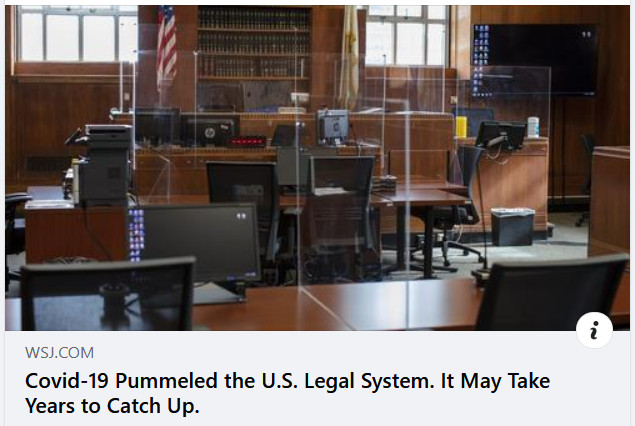
The Wall Street Journal Examines Court Delays in San Francisco & Nationwide

Reporter Laura Kusisto of the Wall Street Journal interviewed San Francisco Public Defender Mano Raju about the legal actions he has taken to address the growing backlog of trials in San Francisco Superior Court during the COVID-19 pandemic. While many other counties have safely held jury trials throughout the pandemic, San Francisco Superior Court has not made sufficient courtroom space available. The result is that hundreds of people have been made to wait past their legal deadline for trial. In other words, their right to a speedy trial has been violated.

As of January 2022, there were nearly 250 legally innocent people in SF County Jail who were being held pre-trial and past their trial deadline. They account for 30% of the entire SF jail population, which is still under 23-hour lockdown conditions. One of these people is our client, William Cogman, whose trial deadline passed over a year ago. For this interview, he described how his health has deteriorated so much that he’s considering a plea on defensible charge simply so he can get out of jail and attend to his health.

“Those rights don’t mean anything if you don’t have a court where we can actually exercise those constitutional protections,” Mr. Raju said.

The Golden State Warriors Release PSAs for San Francisco’s “Be The Jury” Pilot Program in SF Superior Court

FOR IMMEDIATE RELEASE:  March 17, 2022

CONTACT:

Valerie Ibarra – SF Public Defender’s Office – (628) 249-7946 – Valerie.Ibarra@sfgov.org

Anne Stuhldreher – SF Financial Justice Project – (415) 596-6138 – Anne.Stuhldreher@sfgov.org

Rachel Marshall – San Francisco District Attorney’s Office – (415) 416-4468 – Rachel.Marshall@fgov.org 

**PRESS RELEASE**

The Golden State Warriors Release PSAs for San Francisco’s “Be The Jury” Pilot Program in SF Superior Court 

Warriors Coach Steve Kerr and Power Forward Kevon Looney are featured in short PSA videos discussing the “Be The Jury” pilot program, which will compensate eligible jurors in San Franciscans $100 a day

SAN FRANCISCO — Last week, the City and County of San Francisco launched the “Be The Jury” Pilot Program in San Francisco Superior Court, which will compensate low-to moderate-income jurors in criminal trials $100 a day for their jury service. This pilot was created with the goal of establishing juries that are more reflective of San Francisco’s diverse communities and is a first-of-its-kind pilot program in San Francisco Superior Court.

Today, to help build community awareness about the program, the Golden State Warriors have just released two social media PSAs that speak to the importance of jury service and jury diversity. The PSAs from Coach Steve Kerr and Kevon Looney are posted on Twitter and Instagram @DubsCommunity. 

https://twitter.com/DubsCommunity/status/1504527656703848458?s=20&t=bIZLtQRXJZy18negg9zCrQ

“I am thrilled that the Warriors are engaging in community education about this first-of-its kind pilot program.  It makes a big difference to have such highly regarded leaders like Coach Kerr and Kevon Looney speak about the importance of justice and equity in the courtroom. Our hope is that this program will enable more San Franciscans to participate in jury duty—one of our most powerful civic opportunities,” said San Francisco Public Defender Mano Raju.

“Thank you to the Warriors for making this issue a priority. No one should be priced out of jury service. Our juries should reflect San Francisco’s economic and racial diversity, but low juror compensation prevents too many people from participating in jury service. The launch of the Be The Jury pilot program brings us closer to a more accessible, diverse, and just legal system,” said San Francisco Treasurer José Cisneros.

“I am grateful to the Warriors for speaking up on this critical issue. Justice demands that our juries reflect the diverse backgrounds of the victims, witnesses, and accused persons whose lives are impacted by their decisions,” said District Attorney Chesa Boudin. We must continue to find ways to promote and enable jury service for all San Franciscans, so that our juries reflect our diverse communities and are able to administer justice for all San Franciscans.” 

The “Be The Jury” pilot program will compensate jurors with low-to-moderate incomes with $100 per day for jury service starting today in criminal trials. Jurors are eligible if their household income is less than 80% of the Area Median Income ($74,600 for a single person; $106,550 for a household of four) and if they meet one of the following criteria: (1) their employer does not compensate for jury service; (2) their employer does not compensate for the estimated duration of jury service; (3) they are self-employed; or (4) they are unemployed.

This program was authorized by Assembly Bill 1452, which was co-authored by Assemblymember Phil Ting and Senator Scott Wiener; and co-sponsored by San Francisco Public Defender Mano Raju, Treasurer José Cisneros and District Attorney Chesa Boudin. Governor Newsom signed AB 1452 into law in October 2021.

Prospective jurors will receive information about the “Be The Jury” Pilot Program along with their jury summons and can call 3-1-1 or visit the Court’s website at bit.ly/BeTheJury to learn about the program. Judges will also brief prospective jurors about the “Be The Jury” pilot program when they arrive for jury service, and show this video about eligibility.

The “Be The Jury” pilot program is funded by philanthropic dollars raised by the San Francisco Treasurer’s Financial Justice Project. Stakeholders will conduct an evaluation of the pilot program once it is completed. 

###

José Inez García Zárate is Just Another Innocent Man Who Pled Guilty to a Crime He Did Not Commit

Photo credit to Jay Martin.

FOR IMMEDIATE RELEASE: March 15, 2022

CONTACT: SF Public Defender’s Office | Valerie.Ibarra@sfgov.org | (628)249-7946

**PRESS STATEMENT**

From the San Francisco Public Defender’s Office

José Inez García Zárate is Just Another Innocent Man Who Pled Guilty to a Crime He Did Not Commit

On March 14, 2022, José Inez García Zárate pled guilty to two gun possession offenses in federal court, culminating in one of the most sensationalized criminal cases in this country’s history. One charge was for being an undocumented immigrant “in possession of a firearm” and another for being a “felon in possession of a firearm.” Mr. García Zárate, who is currently represented by Tony Serra, has already spent seventeen years of his life in federal prison for the crime of illegal reentry — the act of crossing the border without authorization. He has been in custody since July 1, 2015, after he was wrongfully accused of murder and manslaughter in the shooting death of Kathryn Steinle.

A close look at this plea bargain illustrates perfectly how mass incarceration works, and how zealous federal prosecutors carry awesome coercive power, capable of extracting confessions of guilt from the innocent. Statistics bear this out. Less than 2% of criminal defendants in the federal system ever go to trial after being charged with a crime.[1] And those who do take the chance to go to trial rarely win. This is because federal criminal law makes it far too easy to prove the commission of a crime. 

Let’s look at the facts: On November 30, 2017, a unanimous jury acquitted Mr. García Zárate after he was charged with murder and manslaughter. After carefully evaluating the evidence, the jury found that on July 1, 2015, Mr. García Zárate, homeless at the time, found an object wrapped in cloth that had been discarded under a swivel chair where he sat. The object turned out to be a fully loaded semi automatic firearm which had no manual trigger safety. Other unknown individuals unrelated to Mr. García Zárate had stolen the gun a few days earlier from a federal agent who had improperly stored his firearm in a backpack inside his vehicle while dining on the Embarcadero. They ultimately discarded the gun, which somehow made its way to Pier 14. The gun accidentally fired when Mr. García Zárate picked up the wrapped object. Pointed toward the ground, the gun fired a single round which hit the concrete pavement 12 feet away, then ricocheted randomly another 80 feet, ultimately striking Ms. Steinle, causing her death.

The jury deliberated for several days, and found Mr. García Zárate not guilty of murder and manslaughter. A California appellate court reversed his gun possession offenses, holding that the trial court judge failed to instruct the jury on the momentary possession offense. This is because if Mr. García Zárate only discovered the object was a gun after he picked it up, and then discarded it immediately after it accidently fired, this seconds-long possession was momentary, unintentional, and did not constitute a crime.

Ms. Steinle’s death was undoubtedly an awful tragedy. She became one of the nearly 500 people in the United States each year to die as a result of an accidental shooting. But instead of focusing on the very real pandemic of accidental gun injuries and deaths, the national media, incited by Donald Trump, focused on Mr. García Zárate’s immigration status as a motivating factor in Ms. Steinle’s death. To be clear, Mr. García Zárate’s immigration status had nothing to do with the tragic accident and it was racist and xenophobic to focus on that unrelated aspect of Mr. García Zárate. The incident became Donald Trump’s racist rallying cry, helping launch him to the presidency.

But in the end, nothing about Mr. García Zárate’s guilty plea changes the physical evidence in the case, nor does it mean he is guilty of a crime. His time in custody has been nearly unbearable and has taken a toll on his mental health. He is now yet another innocent person trapped in a shockingly cruel federal criminal court system who accepted a plea bargain to avoid another lengthy trial and more jail time. In the end, we are troubled and disappointed by this unjust outcome, which points to the systemic failures in our criminal system. 


[1] https://www.pewresearch.org/fact-tank/2019/06/11/only-2-of-federal-criminal-defendants-go-to-trial-and-most-who-do-are-found-guilty/

##

José Inez García Zárate is Just Another Innocent Man Who Pled Guilty to a Crime He Did Not Commit

Photo credit to Jay Martin.

FOR IMMEDIATE RELEASE: March 15, 2022

CONTACT: SF Public Defender’s Office | Valerie.Ibarra@sfgov.org | (628)249-7946

**PRESS STATEMENT**

From the San Francisco Public Defender’s Office

José Inez García Zárate is Just Another Innocent Man Who Pled Guilty to a Crime He Did Not Commit

On March 14, 2022, José Inez García Zárate pled guilty to two gun possession offenses in federal court, culminating in one of the most sensationalized criminal cases in this country’s history. One charge was for being an undocumented immigrant “in possession of a firearm” and another for being a “felon in possession of a firearm.” Mr. García Zárate, who is currently represented by Tony Serra, has already spent seventeen years of his life in federal prison for the crime of illegal reentry — the act of crossing the border without authorization. He has been in custody since July 1, 2015, after he was wrongfully accused of murder and manslaughter in the shooting death of Kathryn Steinle.

A close look at this plea illustrates perfectly how mass incarceration works, and how zealous federal prosecutors carry awesome coercive power, capable of extracting confessions of guilt from the innocent. Statistics bear this out. Less than 2% of criminal defendants in the federal system ever go to trial after being charged with a crime.[1] And those who do take the chance to go to trial rarely win. This is because federal criminal law makes it far too easy to prove the commission of a crime. 

Let’s look at the facts: On November 30, 2017, a unanimous jury acquitted Mr. García Zárate after he was charged with murder and manslaughter. After carefully evaluating the evidence, the jury found that on July 1, 2015, Mr. García Zárate, homeless at the time, found an object wrapped in cloth that had been discarded under a swivel chair where he sat. The object turned out to be a fully loaded semi automatic firearm which had no manual trigger safety. Other unknown individuals unrelated to Mr. García Zárate had stolen the gun a few days earlier from a federal agent who had improperly stored his firearm in a backpack inside his vehicle while dining on the Embarcadero. They ultimately discarded the gun, which somehow made its way to Pier 14. The gun accidentally fired when Mr. García Zárate picked up the wrapped object. Pointed toward the ground, the gun fired a single round which hit the concrete pavement 12 feet away, then ricocheted randomly another 80 feet, ultimately striking Ms. Steinle, causing her death.

The jury deliberated for several days, and found Mr. García Zárate not guilty of murder and manslaughter. A California appellate court reversed his gun possession offenses, holding that the trial court judge failed to instruct the jury on the momentary possession offense. This is because if Mr. García Zárate only discovered the object was a gun after he picked it up, and then discarded it immediately after it accidently fired, this seconds-long possession was momentary, unintentional, and did not constitute a crime.

Ms. Steinle’s death was undoubtedly an awful tragedy. She became one of the nearly 500 people in the United States each year to die as a result of an accidental shooting. But instead of focusing on the very real pandemic of accidental gun injuries and deaths, the national media, incited by Donald Trump, focused on Mr. García Zárate’s immigration status as a motivating factor in Ms. Steinle’s death. To be clear, Mr. García Zárate’s immigration status had nothing to do with the tragic accident and it was racist and xenophobic to focus on that unrelated aspect of Mr. García Zárate. The incident became Donald Trump’s racist rallying cry, helping launch him to the presidency.

But in the end, nothing about Mr. García Zárate’s guilty plea changes the physical evidence in the case, nor does it mean he is guilty of a crime. His time in custody has been nearly unbearable and has taken a toll on his mental health. He is now yet another innocent person trapped in a shockingly cruel federal criminal court system who accepted a plea bargain to avoid another lengthy trial and more jail time. In the end, we are troubled and disappointed by this unjust outcome, which points to the systemic failures in our criminal system. 


[1] https://www.pewresearch.org/fact-tank/2019/06/11/only-2-of-federal-criminal-defendants-go-to-trial-and-most-who-do-are-found-guilty/

##

Note: This post was updated on 3/16/22 and moved from the previous link.

Statement from the San Francisco Public Defender’s Office on Governor Newsom’s “Care Court” Proposal

DATE: March 3, 2022

MEDIA CONTACT: PubDef-MediaRelations@sfgov.org |(628)249-7946

**PRESS STATEMENT**

Statement from the San Francisco Public Defender’s Office on Governor Newsom’s “Care Court” Proposal

Governor Newsom wants to have a fast solution to a very entrenched problem through his recently announced Care Court proposal. But the reality is that we already have a number of alternative courts. We don’t need another court that criminalizes mental health and poverty.

What we need is to have a fully funded mental health system. We need to have the resources in place so that community members who are experiencing mental health crises and homelessness can access supportive housing, treatment, and culturally competent case managers. As it stands, because of the drastic under-funding of our mental healthcare system, our clients are waiting for 9 weeks to 6 months in jail for treatment.

We also want people to engage long-term through providing holistic support and treatment, not force it upon them in the short-term through threatening criminalization which compounds the challenges they are facing. All community members, including people who are vulnerable and struggling with poverty, also have due process rights and civil liberties that should be respected.

We call on the Governor to revise his proposal to fully fund a holistic mental health care system, rather than this problematic band aid approach.